


Antigua’s real estate story is often told from the south — English Harbour’s yachting heritage, Jolly Harbour’s marina living, the west coast’s string of beachfront villas. But quietly, and increasingly, overseas buyers are turning their attention north. Hodges Bay and the shoreline that runs toward Dutchman’s Bay and Winthorpes have become one of the island’s more interesting pockets for investment, and this week we’re taking a closer look at why.
Where Hodges Bay Sits on the Map
Hodges Bay occupies a stretch of Antigua’s north coast, a short drive from both ends of the island’s daily life. It sits roughly ten minutes from V.C. Bird International Airport and about fifteen minutes from St. John’s, the capital. That combination — genuine proximity to the airport without sacrificing an easy run into town for banking, provisioning, or a proper restaurant night out — is one of the quieter reasons the area keeps coming up in conversations with overseas buyers. Offshore, Prickly Pear Island sits just a few minutes away by boat, a favourite spot for a lazy afternoon swim or a beach barbecue away from the mainland.
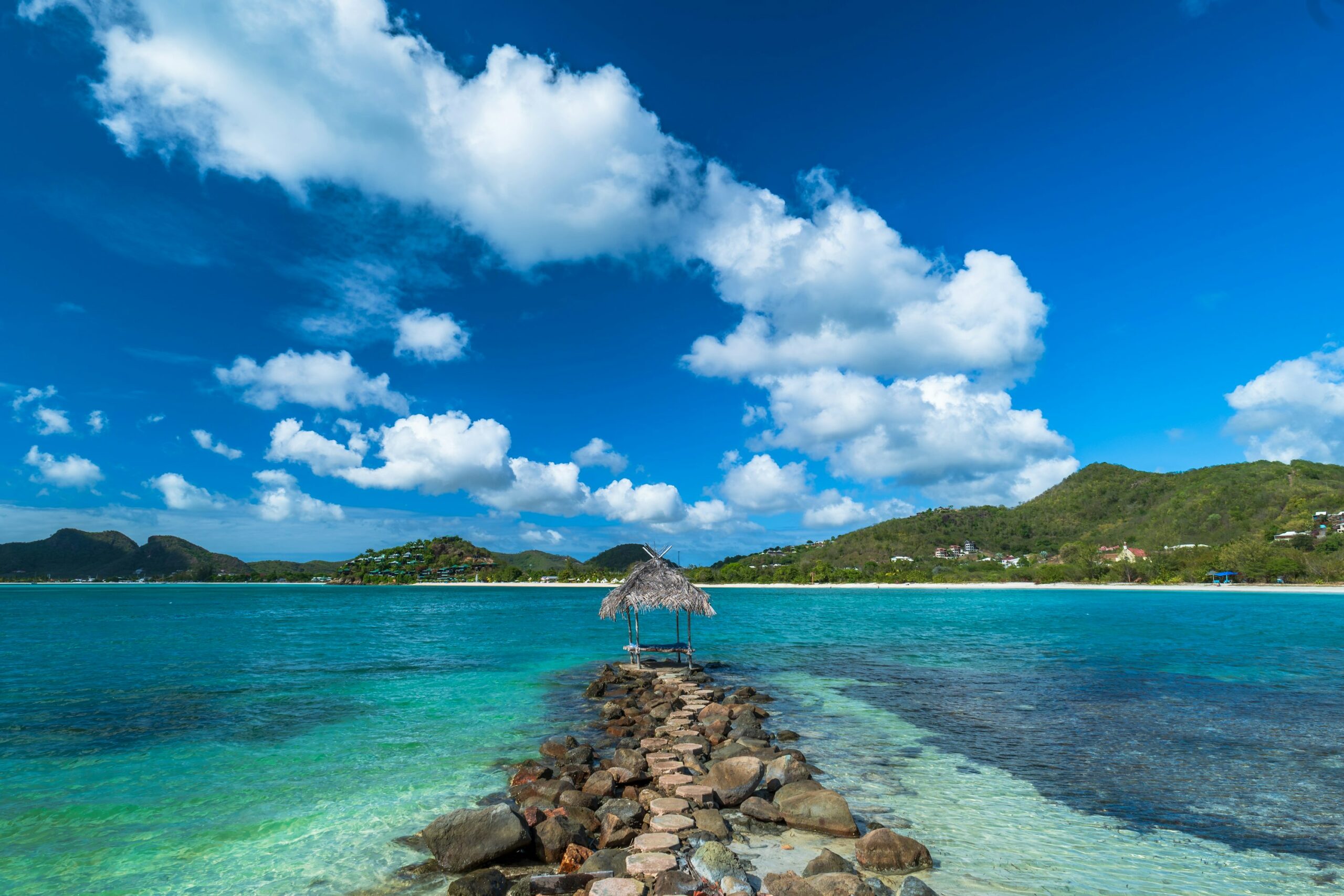
The coastline itself alternates between soft sand coves and low rocky points, with the kind of clear, calm water that makes the area popular for swimming rather than surfing. It is a gentler, more residential feel than the buzz of the southern harbours — which is precisely the appeal for buyers who want a home base rather than a holiday scene.
A Lifestyle Built Around the Water
Properties along this stretch tend to be arranged for the view and the breeze: wide verandas, pools positioned to catch the evening light, outdoor living spaces that do double duty for entertaining and quiet mornings with coffee. Because the airport is so close, owners who split their time between Antigua and a home abroad find the north coast particularly practical — it shortens the whole experience of arriving, from touchdown to toes in the sand.
Restaurants, small marinas, and beach bars along the north shore have multiplied over the past several years, many run by operators with a Caribbean-wide reputation. That has changed the day-to-day rhythm of the area noticeably: what was once a quieter residential corner now has enough going on that owners do not need to drive across the island for a good evening out, while still returning home to genuine peace and quiet.
What’s Driving Investor Interest
A few forces are converging on this part of the island at once, and together they explain why north coast listings have been moving faster than they once did.
- Tourism momentum. Antigua & Barbuda’s visitor numbers have been on a sustained upward trend in recent years, and a busier airport and a fuller events calendar tend to support both rental demand and resale values over time.
- Limited beachfront supply. Antigua is not a large island, and genuinely swimmable, gently sloping beachfront is finite. When a well-positioned north coast parcel or villa comes to market, agents report that serious interest arrives quickly.
- Branded and resort-anchored development. The presence of an established resort on this coastline has brought a level of polish and management infrastructure — landscaping, security, concierge services — that individual private owners benefit from indirectly, even if their own property has no formal tie to the resort.
- A genuinely international buyer base. North American and European buyers continue to anchor demand here, drawn by direct flight connections, a stable political and economic environment, and the practical matter of English being the official language.

What You’ll Actually Find on the Market
Resort-Branded Residences
A portion of what’s available along this coast is tied to a managed resort property, offering buyers a turnkey option: the unit can be rented out through the resort’s own booking channels when the owner isn’t in residence, with housekeeping, maintenance, and front-desk services handled centrally. This appeals strongly to buyers who want the upside of a Caribbean property without taking on the day-to-day management themselves.
Private Villas and Land
Away from the resort footprint, the north coast still has pockets of privately held villas and the occasional buildable parcel, typically changing hands less frequently than resort units. These tend to suit buyers with a longer time horizon who want to design or renovate to their own taste, and who are comfortable engaging a local contractor and property manager directly rather than through a resort structure.
As with any purchase here, qualifying properties above certain value thresholds can also open the door to Antigua & Barbuda’s Citizenship by Investment real estate option, and some may satisfy requirements for the standard Alien Landholding Licence that overseas buyers need for non-qualifying purchases. We’ve covered both of those processes in more depth in earlier posts on this blog, so we won’t repeat the detail here — but it’s worth raising early with your attorney if either path matters to your plans, since it can shape which specific property makes the most sense for you.
Due Diligence Worth Doing on This Stretch of Coast
Every part of Antigua has its own practical quirks, and the north coast is no exception. A few things we’d encourage any overseas buyer to ask about before making an offer here:
- Road access and setbacks. Some of the older lanes serving beachfront lots were laid out long before today’s larger villas, so it’s worth confirming access width, shared driveway arrangements, and any coastal setback rules that could affect future renovation or rebuilding.
- Storm and drainage history. Ask specifically how a property performed during past tropical storms or heavy rain events, not just whether it has flood insurance. Elevation, drainage, and the condition of retaining walls along this coastline vary more than buyers expect.
- Resort or community fees. If the property sits within or adjacent to a managed development, get a clear, written breakdown of association or resort fees, what they cover, and how they’ve trended over the past few years.
- Utility reliability. Confirm the property’s water source (mains, cistern, or a combination), backup power arrangements, and internet provider — all reasonably solid along the north coast, but worth verifying for your specific address rather than assuming.
- Title and survey clarity. As anywhere on the island, insist on a proper survey and a clean title search through your own independent attorney, separate from any representation the seller or developer may already have in place.
How the North Coast Compares to Antigua’s Other Coastlines
If the south coast’s appeal is built around yachting culture and historic harbour towns, and the west coast leans into long sunset beaches and larger resort communities, the north coast occupies its own middle ground: close to the airport, close to town, resort-adjacent without being resort-dependent, and generally a touch more residential in character. For buyers who want a property that functions equally well as a quiet personal retreat and as a rental asset when they’re not using it, that combination is hard to beat.
It’s also worth noting that north coast values have historically moved somewhat independently of the more headline-grabbing west coast developments, which can make it an interesting area to watch for buyers who feel the most talked-about pockets of the market have already run ahead of fair value.
A Closing Thought
There’s a particular kind of morning on Antigua’s north coast — still air, the water barely moving, a fishing boat or two already out past the point — that tends to stay with people long after they’ve flown home. For a growing number of overseas buyers, that feeling has become reason enough to start looking seriously at what this quieter stretch of coastline has to offer. Whether or not Hodges Bay turns out to be the right fit, it’s a part of the island worth seeing in person before any decision is made — maps and listings only ever tell half the story.