


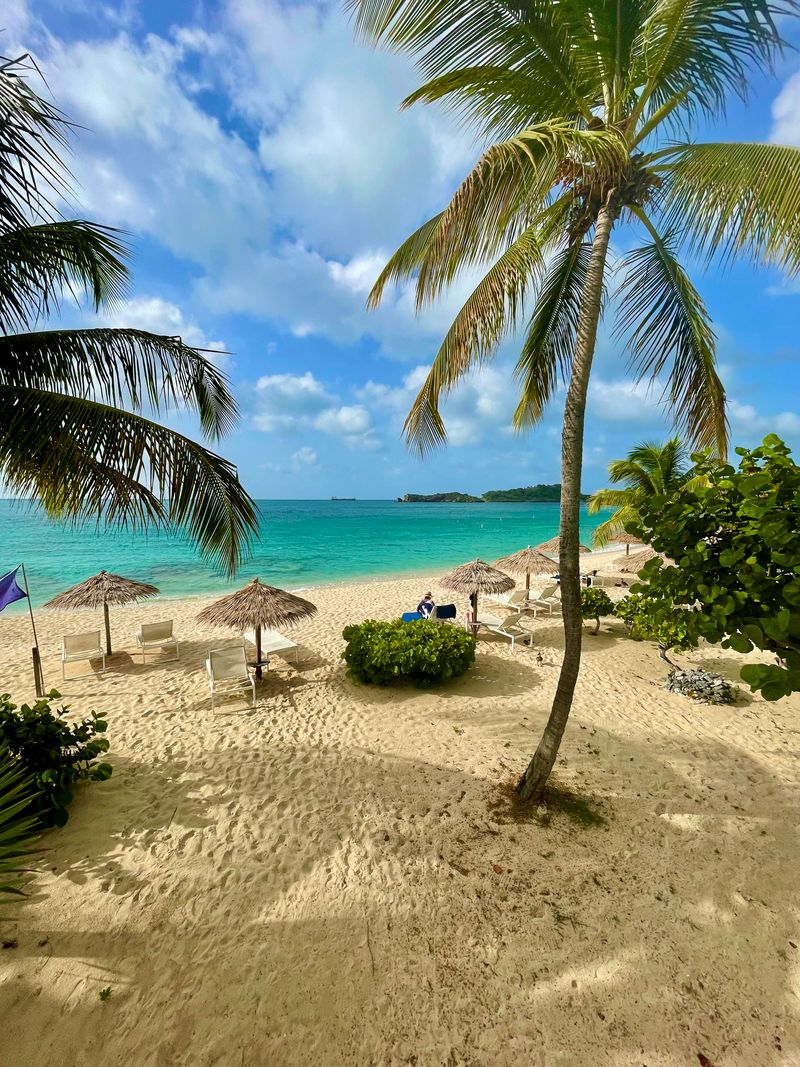
There’s a particular kind of morning you only get in Antigua: the air still cool, the sea somewhere between turquoise and glass, and the sense that you have arrived somewhere the rest of the world is still trying to find. It’s the kind of morning that turns a lot of visitors into homeowners. Every year, we meet buyers from North America, the UK, and continental Europe who came for a holiday and left having started the paperwork on a villa, a beachfront lot, or a condo in one of the island’s newer developments.
If you’re one of those people right now — sitting somewhere far from here, replaying a week on the island in your head and wondering whether owning a piece of it is actually realistic — this guide is for you. Buying property in Antigua as a foreign national is entirely possible, and thousands of overseas owners have done it. But the process has a few Antigua-specific steps that are worth understanding before you fall in love with a listing.
Two Paths to Ownership as a Non-Citizen
Antigua and Barbuda welcomes foreign property ownership, but non-citizens generally purchase real estate through one of two routes, depending on their goals.
1. The Non-Citizens Land Holding License
This is the standard route for buyers who simply want to own a home, villa, or investment property here without pursuing citizenship. Under the Non-Citizens Land Holding Act, buyers who are not citizens of Antigua and Barbuda or a CARICOM member state need government approval — a Land Holding License — before completing a purchase above a certain size threshold. In practice, this means your attorney submits an application on your behalf alongside your purchase agreement, and it’s processed as a normal, expected part of closing rather than an obstacle. Most straightforward residential purchases move through this without difficulty, though timelines and fees can shift, so it’s worth confirming current requirements with a local attorney before you budget your closing costs.
2. Citizenship by Investment (CIP) — The Real Estate Option
The second path is for buyers who want more than a property: they want a second passport. Antigua and Barbuda’s Citizenship by Investment Programme allows applicants to qualify for citizenship by purchasing real estate, and it has become one of the more popular routes into the programme for buyers who were already planning to invest in property here.
As of now, the government sets the minimum qualifying real estate investment at US$300,000, which must go toward a government-approved development project or an approved area. A few details matter more than people expect:
- The property generally cannot be resold for at least five years after purchase, unless you’re exchanging it for another approved property on the island.
- Applications can move forward once you’ve signed a binding purchase agreement with an approved developer — you don’t need to complete the purchase before applying.
- Processing fees are separate from the property price: currently around US$10,000 for a single applicant, and US$20,000 for a family of up to four, with an additional fee per extra dependent.
- Some buyers structure ownership through a specially qualified local non-profit company rather than holding title personally, provided the company meets the programme’s ownership and residency criteria. Your attorney can advise whether this makes sense for your situation.
Because CIP rules and fee schedules are set by government policy and do get revised from time to time, treat the figures above as a starting point for a conversation with your attorney and the Citizenship by Investment Unit, not a final quote.
What the Buying Process Actually Looks Like
Strip away the paperwork, and buying in Antigua follows a rhythm that will feel familiar if you’ve bought property before, with a few local checkpoints layered in.
Start with the right introductions. A good local real estate agent will know which developments are approved for CIP purposes, which parcels have clean title, and which areas tend to hold their value for rental income versus personal use. This matters more here than in a lot of markets, because not every attractive listing is equally straightforward on paper.
Engage an Antiguan attorney early, not at closing. Your attorney handles the title search, drafts or reviews the sale agreement, files the Land Holding License application if you need one, and coordinates with the CIP unit if you’re going that route. Because these are government processes with their own timelines, starting early protects the closing date you actually want.
Expect a deposit and a sale agreement first. As with most Caribbean transactions, you’ll typically put down a deposit to secure the property while due diligence and any licensing runs in parallel. Your attorney can structure the agreement so your deposit is protected if the license or CIP approval doesn’t come through, which is a detail worth insisting on.
Budget for closing costs beyond the purchase price. Stamp duty, legal fees, and (if applicable) your Land Holding License fee or CIP processing fee are all separate line items. Ask for a full breakdown before you make an offer, so there are no surprises when the final invoice arrives.
Plan for the property afterward, not just the purchase. If you’re buying a villa or condo you won’t occupy year-round, think through property management, insurance against tropical weather, and whether you’ll rent it out, before you close rather than after. Many overseas owners find that a well-managed rental arrangement covers a meaningful share of ongoing costs.

Why Buyers Keep Choosing Antigua
None of this paperwork is the reason people fall for this island — the reason is everything the paperwork protects. Antigua offers 365 beaches, a stable parliamentary democracy with a long history of political continuity, English as the official language, and a currency (the Eastern Caribbean dollar) pegged to the US dollar, which removes a layer of financial uncertainty that buyers in some other markets have to price in. It’s close enough to North America for an easy flight, developed enough to offer excellent healthcare, dining, and marina infrastructure, and still unhurried enough that owning a home here feels like an actual change of pace rather than a relocation of your old one.
Whether you’re drawn by the idea of a second passport, a retirement home with a view, or simply a smart place to park capital in a market that tourism keeps quietly strengthening, the path to ownership here is well-trodden. It just rewards buyers who do their homework before they fall in love with the listing photos.