


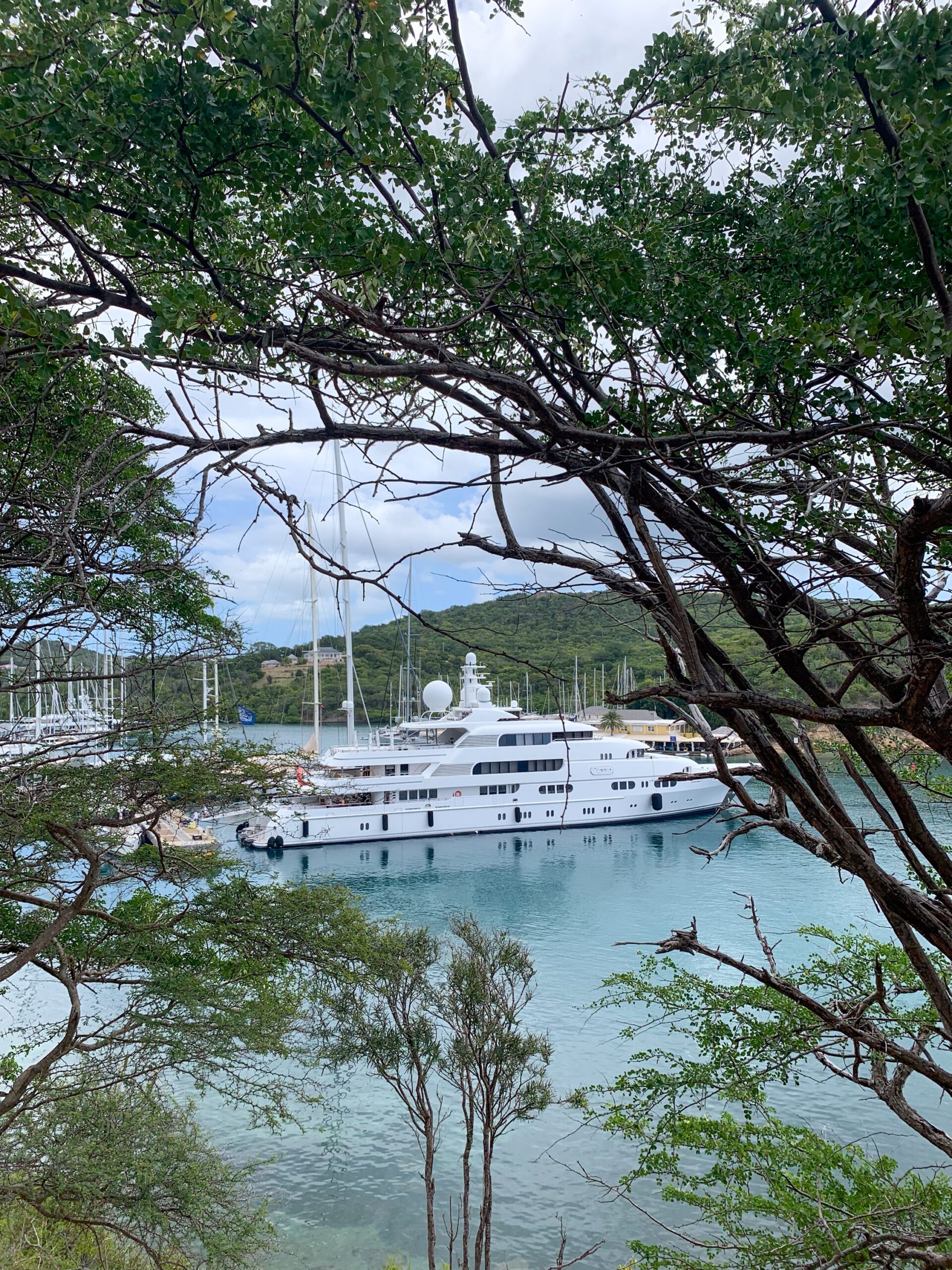
There is a particular sound that carries across Antigua’s harbours most mornings between December and April: halyards tapping against masts, a dinghy engine somewhere in the distance, the low chatter of crews readying boats for a day on the water. It is the sound of high season, and for the growing number of overseas owners who rent out property here, it is also the sound of income arriving. Antigua’s rental market has quietly matured over the past decade, and for investors weighing where to put capital in the Caribbean, it deserves a closer look than it usually gets.
Buying a home here for personal use is one decision. Buying with an eye toward rental income is another, with its own rhythms, risks, and rewards. If you are considering the latter, a little groundwork before you buy will save you a great deal of guesswork after.
Why Overseas Investors Are Drawn to Antigua’s Rental Market
Antigua’s appeal as a rental destination rests on a few durable foundations rather than a passing trend. The island is one of the Caribbean’s most established yachting and sailing hubs, home to events like Antigua Sailing Week and a steady flow of superyachts and cruising crews who need somewhere to stay on land. Add to that a broader tourism base of returning visitors, a growing number of remote workers extending their stays for weeks or months at a time, and an increasing number of second-home buyers who rent out their property when they are not using it themselves, and you get a rental pool with more than one source of demand.
Two structural details make the numbers easier to plan around than in some other markets. First, the Eastern Caribbean dollar is pegged to the US dollar, which removes currency volatility from the equation for North American owners and reduces one layer of uncertainty for owners from further afield. Second, Antigua’s high season lines up neatly with the winter months in North America and Europe, when demand for warm-weather escapes peaks and nightly or weekly rates rise accordingly.
None of this means renting a property here is passive income in the truest sense. It means the underlying demand is real and reasonably well understood, which is more than can be said for a lot of emerging rental markets.
Long-Term Letting or Vacation Rental? Choosing Your Strategy
Before you even start looking at listings, it is worth deciding which kind of landlord you want to be, because the answer shapes everything from which neighborhood you should buy in to how you furnish the property.
The Long-Term Route
Renting to a tenant on a six-month or annual lease is the lower-maintenance option. Antigua has a resident population of marina staff, hospitality workers, medical professionals, and expatriates who need stable housing, and a well-located, well-maintained property in this bracket tends to stay occupied with far less owner involvement than a vacation rental. The trade-off is a lower ceiling on income: you are renting at a steady monthly rate rather than capturing the premium that short-term visitors will pay during peak weeks.
The Vacation Rental Route
Renting by the week or night to visiting sailors, tourists, and remote workers can produce meaningfully higher income during the December-to-April season, and platforms have made marketing a property to this audience far easier than it once was. It also asks more of you: professional-standard furnishing and photography, active calendar and pricing management, a plan for cleaning and turnover between guests, and a clear-eyed view of the quieter months, when occupancy in the Caribbean’s traditional low season can fall well below what you saw in January. Owners who do this well tend to treat it as a small hospitality business rather than a side project, either by managing it closely themselves or handing it to a property manager who already does.
Many owners land somewhere in between: a long lease for most of the year with the property released for short stays during the busiest weeks, or the reverse, depending on how hands-on they want to be.

Location Matters More Than the Listing Photos
Two properties with near-identical square footage and finishes can perform very differently as rentals depending on where they sit, so it is worth thinking about your tenant before you think about your tile choices.
Jolly Harbour, on the west coast, has built a genuine rental ecosystem around its marina, golf course, and beach, with a mix of villas and condos that appeal equally to long-term residents and returning vacationers. English Harbour and Falmouth Harbour, in the south, sit at the center of Antigua’s sailing world and draw a steady stream of yacht crews, race participants, and a more international, often longer-staying visitor who is willing to pay for proximity to the docks and the area’s well-known restaurants and bars. Properties near the V.C. Bird International Airport or along the main routes into St. John’s can do well with shorter, more transactional stays and business travelers, while quieter bays further from the main hubs may suit a long-term tenant looking for privacy more than a vacationer looking for nightlife.
A good local agent who actually tracks occupancy and rates across these areas, rather than one who only sells, is worth involving early. Ask pointed questions about how similar properties nearby have actually performed, not just what an owner hopes to charge.
The Practical Side of Renting From Afar
Owning a rental property you do not live beside year-round comes with a short list of practical commitments that are easy to underestimate from a distance.
- Property management. Most overseas owners work with a local property manager or rental agency to handle guest turnover, maintenance, and day-to-day issues. Management fees vary by scope of service, so compare what is actually included, not just the headline percentage.
- Insurance. Antigua sits within the Atlantic hurricane belt, and adequate windstorm and flood coverage is not optional if you are renting the property to others. Budget for it as a fixed cost of doing business, and revisit your coverage each renewal rather than assuming last year’s policy still fits.
- Maintenance reserve. Salt air, humidity, and heavy tropical rain are harder on a property than a typical mainland climate, and a rental that looks tired in photos will struggle to command a premium rate. Set aside a maintenance fund rather than treating repairs as a surprise.
- Seasonal pricing and furnishing. If you are pursuing vacation rentals, your rates, minimum stay requirements, and even your interior styling should reflect the season. What works for a January sailing crew is not always what a July long-stay remote worker wants.
Setting Realistic Expectations on the Numbers
It is tempting to build a rental projection around the best week you have heard about from another owner, but the more useful exercise is averaging across a full year, including the quieter months. Occupancy, achievable rates, and net returns vary meaningfully by area, property type, and how actively the rental is managed, so treat any yield figure you hear from a broker or a fellow owner as a starting estimate rather than a guarantee.
The same caution applies to taxes. Rental income earned from Antiguan property, along with any applicable property tax obligations, is subject to local tax rules that can differ depending on how the property is held and whether you are renting long-term or short-term. These rules are set and periodically updated by the Antigua and Barbuda Inland Revenue Department, so rather than relying on figures that may be out of date by the time you read them, it is worth having a local accountant walk you through your specific obligations before you finalize a purchase, so the numbers you are working from reflect your actual situation rather than a rule of thumb.
None of this is meant to complicate what is, at its core, a fairly straightforward proposition: a well-chosen property in a market with genuine, recurring demand, held by an owner willing to do a little homework up front. The Caribbean’s more famous rental markets have grown crowded and expensive. Antigua, for now, still rewards the investor who takes the time to understand it properly.
There is something quietly satisfying about a property that pays for its own upkeep while still being there, waiting, whenever you decide to use it yourself. For a lot of owners here, that turns out to be the real appeal — not just the income, but the fact that the island keeps working quietly on your behalf, long after you have flown home.